Pei-Chi & Rodney | 15 hours ago

Potassium Permanganate Baths – How We Use Them

Potassium permanganate (PP) has been used in the aquarium hobby for decades as an external treatment for parasites, bacteria and fungi. It is a valuable treatment when used correctly, but it is not something to use casually. Good preparation, accurate dosing, excellent water quality and constant observation are all essential for safe treatment


The method below is simply how we use PP at Fintastic Studio. It is not the only method available, nor is it intended to replace veterinary advice. Always research thoroughly before using PP and never leave fish unattended during treatment.


*Potassium permanganate can be purchased from King's plant barn under - Wallys Potassium Permanganate.

PP Stock Solution

Using a stock solution makes dosing much easier and more accurate than weighing tiny amounts of PP each time.


Ingredients

*20 g Potassium Permanganate (PP)

*Water


Method

1.Weigh out 20 grams of PP crystals.

2.Using a funnel, add the crystals to a clean 1.5 L soft drink bottle.

3.Half-fill the bottle with fairly hot water.

4.Secure the lid tightly and shake vigorously until all the crystals have dissolved.

5.Carefully open the bottle and top up with cold water to exactly 1 litre.

6.Replace the lid and store the stock solution in a cool, dark place out of reach of children


Preparing a PP Bath

There are two ways we commonly perform PP treatments.


Bucket Method

1.Use aged water without dechlorinator.

2.Match the water temperature to the aquarium.

3.Add a heater if required.

4.Provide strong aeration using an air stone.


In-Tank Method

1.Thoroughly clean the aquarium first.

2.Remove as much organic waste as possible.

3.Turn off the filter during treatment.

4.Add additional aeration.


Organic waste quickly consumes PP, causing it to lose effectiveness.

Performing the Treatment

1.Prepare the treatment container or aquarium.

2.Add extra aeration before dosing.

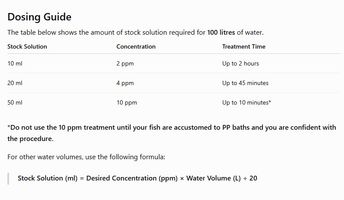
3.Add the calculated amount of PP stock solution.

4.Observe the fish continuously throughout the treatment.


If any fish show signs of severe stress, such as:

*Rolling over

*Lying on their side

*Loss of balance

*Severe respiratory distress


stop the treatment immediately.


To end the treatment you can:

*Perform a large water change

*Add a neutralising agent

*Transfer the fish to clean water


Neutralising Potassium Permanganate

Several products will neutralise PP.


Vitamin C (Ascorbic Acid)

This is our preferred option.

A 50 g/L Vitamin C stock solution neutralises PP stock solution at approximately a 1:1 ratio.


Hydrogen Peroxide

Hydrogen peroxide works quickly but should be added slowly.

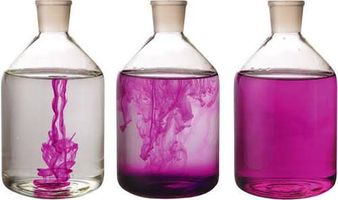
Stop adding as soon as the water changes from purple to clear. If necessary, more can always be added.


Water Conditioner

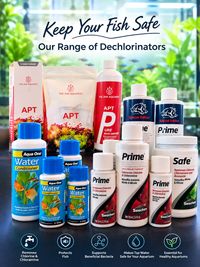
Dechlorinators containing sodium thiosulphate (such as Seachem Prime) will also neutralise PP, although they tend to be less effective than the methods above.

Tips for Success

From our own experience, these few points make a huge difference.


Have a backup plan

Always have a spare tank or container with clean, temperature-matched water ready before starting treatment. If something goes wrong, you'll want to move the fish immediately.


Clean the aquarium first

PP is consumed by organic matter.

If the aquarium contains waste, uneaten food or detritus, the solution will quickly turn brown and most of the treatment will have been wasted.


Don't use dechlorinator first

Avoid adding commercial water conditioners immediately before an in-tank PP treatment.

Most dechlorinators will instantly neutralise the PP, causing the water to turn brown almost immediately.


Use hydrogen peroxide carefully

Although effective, hydrogen peroxide is still a strong chemical.

Add it slowly and only until the purple colour disappears.


Never mix PP with formalin

Do not combine potassium permanganate with formalin.

The reaction can produce formaldehyde gas, which is hazardous and can severely irritate or damage the respiratory system.

Let's Create Thriving Aquariums—Together

Pei-Chi & Rodney

More Posts

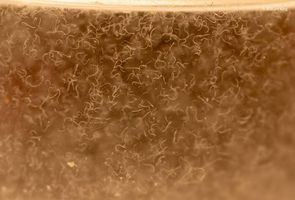
<p>Vinegar Eel Culture Instruction</p><p>Vinegar Eel Culture Instruction</p>

Vinegar Eel Culture Instruction

Vinegar eels are one of the easiest live foods to culture and are an excellent first food for small fish fry. They remain alive in freshwater for many hours, giving fry plenty of time to feed.

There are two different methods you can use to culture them. The traditional method is very reliable and requires minimal maintenance, while the High Density Vinegar Eel (HDVE) method produces much larger quantities but requires a little more care.

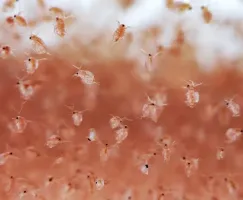
Daphnia Culture InstructionDaphnia Culture Instruction
Daphnia Culture Instruction

Daphnia are small freshwater crustaceans that make an excellent live food for aquarium fish. They are highly nutritious and are especially useful for conditioning breeding fish and feeding growing fry.

There are many different methods for culturing daphnia. The following is the method that has given us the most consistent results after plenty of trial and error.

Microworm Culture InstructionMicroworm Culture Instruction
Microworm Culture Instruction

Microworms are an excellent first food for newly hatched fish fry. They are easy to culture at home and, with a little care, will provide a continuous supply of live food.

Fintastic Studio Beef Heart RecipeFintastic Studio Beef Heart Recipe
Fintastic Studio Beef Heart Recipe

Our homemade beef heart mix has been a staple food for growing discus and other carnivorous tropical fish. This recipe combines lean beef heart with quality fish foods and nutritional supplements to produce a highly palatable, protein-rich food that freezes well and is easy to portion.

Cycling Aquasoil Based Aquarium Using APT Balance – Our Trial ResultsCycling Aquasoil Based Aquarium Using APT Balance – Our Trial Results
Cycling Aquasoil Based Aquarium Using APT Balance – Our Trial Results

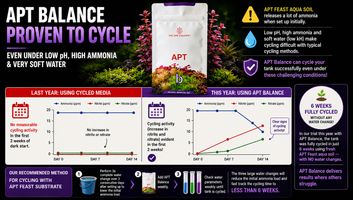
One of the characteristics of fresh APT Feast Aquasoil is that it releases a significant amount of ammonia when first submerged. In our test setup, 15 litres of APT Feast in a 125-litre aquarium produced an ammonia reading of around 20 ppm.


The combination of high ammonia, acidic water and very low carbonate hardness (kH) can make establishing the nitrogen cycle more challenging than in a typical aquarium. Beneficial nitrifying bacteria generally perform best in water with a higher pH and adequate carbonate hardness, so we wanted to see how APT Balance would perform under these conditions.

Which Dechlorinator Should You Choose? Which Dechlorinator Should You Choose?
Which Dechlorinator Should You Choose?

If you use tap water for your aquarium, a good dechlorinator is one of the most important products you'll ever buy. Every water change introduces chlorine or chloramine, and failing to remove them can quickly harm the beneficial bacteria in your filter as well as your fish.


One of the questions we get asked most at Fintastic Studio is:

"Which dechlorinator is the best?"


The answer is... it depends on your aquarium and your needs.