Pei-Chi & Rodney | Apr 14

How to Safely Perform Water Changes with Tiny Fry

Anyone who has raised fish fry knows the feeling—you need to do a water change, but the fry are so tiny you're worried they'll end up disappearing down the siphon.


Fortunately, there's a simple solution that uses inexpensive equipment you probably already have. By using an airline as your siphon, you can perform slow, controlled water changes without putting your fry at risk.


As a bonus, the same setup also works perfectly for drip acclimating sensitive fish and shrimp (if we ever get them in NZ).

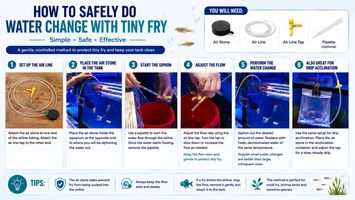
What You'll Need

*Air stone

*Airline tubing

*Airline tap (flow control)

*Pipette (optional, for starting the siphon)

Setting Up

1.Attach the air stone to one end of the airline tubing.

2.Fit the airline tap to the opposite end.

3.Place the air stone inside the aquarium.

4.Use a pipette to gently start the siphon through the airline.


Once the water begins flowing, use the airline tap to adjust the flow to the desired rate.


Because the airline has a much smaller diameter than a standard siphon hose, the water flow is gentle and easy to control. This makes it much less likely that tiny fry will be sucked into the tubing.


The air stone does more than simply weigh down the airline.

Its rough, porous surface acts as a guard over the inlet, reducing the chance of fry being drawn into the siphon while still allowing water to flow freely. It also helps keep the end of the airline in place as you move around the aquarium.

Tips for Succss

*Keep the flow slow. There's no need to rush when working with delicate fry.


*Regular small water changes are often better than large, infrequent ones.


*Watch the air stone while siphoning to ensure no fry are lingering nearby.

Bonus

This simple setup has another handy use.

By adjusting the airline tap, you can create a slow, consistent drip, making it ideal for drip acclimating sensitive fish and help introducing fish to different water parameters gradually.

Let's Create Thriving Aquariums—Together

Pei-Chi & Rodney

More Posts

<p>Potassium Permanganate Baths – How We Use Them</p><p>Potassium Permanganate Baths – How We Use Them</p>

Potassium Permanganate Baths – How We Use Them

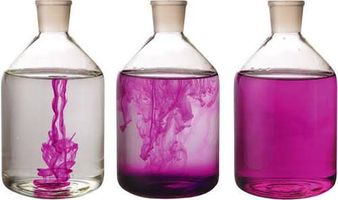
Potassium permanganate (PP) has been used in the aquarium hobby for decades as an external treatment for parasites, bacteria and fungi. It is a valuable treatment when used correctly, but it is not something to use casually. Good preparation, accurate dosing, excellent water quality and constant observation are all essential for safe treatment


The method below is simply how we use PP at Fintastic Studio. It is not the only method available, nor is it intended to replace veterinary advice. Always research thoroughly before using PP and never leave fish unattended during treatment.


*Potassium permanganate can be purchased from King's plant barn under - Wallys Potassium Permanganate.
<p>Vinegar Eel Culture Instruction</p><p>Vinegar Eel Culture Instruction</p>

Vinegar Eel Culture Instruction

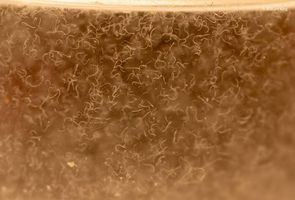
Vinegar eels are one of the easiest live foods to culture and are an excellent first food for small fish fry. They remain alive in freshwater for many hours, giving fry plenty of time to feed.

There are two different methods you can use to culture them. The traditional method is very reliable and requires minimal maintenance, while the High Density Vinegar Eel (HDVE) method produces much larger quantities but requires a little more care.

Daphnia Culture InstructionDaphnia Culture Instruction
Daphnia Culture Instruction

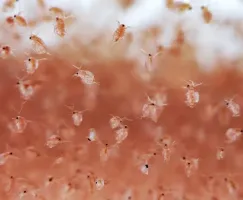
Daphnia are small freshwater crustaceans that make an excellent live food for aquarium fish. They are highly nutritious and are especially useful for conditioning breeding fish and feeding growing fry.

There are many different methods for culturing daphnia. The following is the method that has given us the most consistent results after plenty of trial and error.

Microworm Culture InstructionMicroworm Culture Instruction
Microworm Culture Instruction

Microworms are an excellent first food for newly hatched fish fry. They are easy to culture at home and, with a little care, will provide a continuous supply of live food.

White Worm Culture InstructionWhite Worm Culture Instruction
White Worm Culture Instruction

White worms (Enchytraeus albidus) are one of the best live foods available for aquarium fish. Rich in protein and highly nutritious, they're excellent for conditioning breeding fish, promoting growth, and encouraging even fussy fish to feed.


Once established, a white worm culture is easy to maintain and can provide a continuous supply of live food for years.

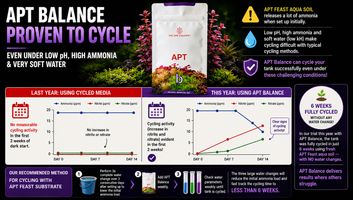
Cycling Aquasoil Based Aquarium Using APT Balance – Our Trial ResultsCycling Aquasoil Based Aquarium Using APT Balance – Our Trial Results
Cycling Aquasoil Based Aquarium Using APT Balance – Our Trial Results

One of the characteristics of fresh APT Feast Aquasoil is that it releases a significant amount of ammonia when first submerged. In our test setup, 15 litres of APT Feast in a 125-litre aquarium produced an ammonia reading of around 20 ppm.


The combination of high ammonia, acidic water and very low carbonate hardness (kH) can make establishing the nitrogen cycle more challenging than in a typical aquarium. Beneficial nitrifying bacteria generally perform best in water with a higher pH and adequate carbonate hardness, so we wanted to see how APT Balance would perform under these conditions.

How to Make a Wabi Kusa BallHow to Make a Wabi Kusa Ball
How to Make a Wabi Kusa Ball

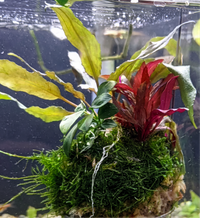
If you're looking for a fun weekend project, a Wabi Kusa Ball is a great way to display aquatic plants in a unique and natural way.


Originally inspired by Japanese aquascaping, Wabi Kusa combines aquatic plants with an exposed moss-covered soil ball, creating a beautiful living display that can be enjoyed both in and out of the aquarium.


They're simple to make and can be customised with almost any aquatic plants you have on hand.

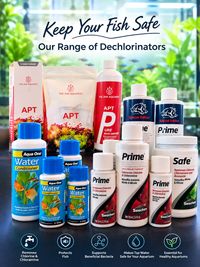
Which Dechlorinator Should You Choose? Which Dechlorinator Should You Choose?
Which Dechlorinator Should You Choose?

If you use tap water for your aquarium, a good dechlorinator is one of the most important products you'll ever buy. Every water change introduces chlorine or chloramine, and failing to remove them can quickly harm the beneficial bacteria in your filter as well as your fish.


One of the questions we get asked most at Fintastic Studio is:

"Which dechlorinator is the best?"


The answer is... it depends on your aquarium and your needs.

Fintastic Studio Beef Heart RecipeFintastic Studio Beef Heart Recipe
Fintastic Studio Beef Heart Recipe

Our homemade beef heart mix has been a staple food for growing discus and other carnivorous tropical fish. This recipe combines lean beef heart with quality fish foods and nutritional supplements to produce a highly palatable, protein-rich food that freezes well and is easy to portion.