Pei-Chi & Rodney | 17 hours ago

Daphnia Culture Instruction

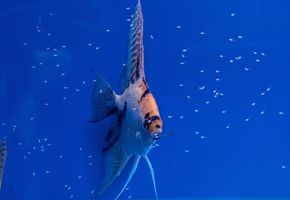
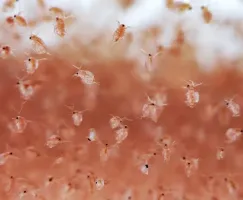
Daphnia are small freshwater crustaceans that make an excellent live food for aquarium fish. They are highly nutritious and are especially useful for conditioning breeding fish and feeding growing fry.

There are many different methods for culturing daphnia. The following is the method that has given us the most consistent results after plenty of trial and error.

Setting Up Your Culture

What You'll Need

*A clean, wide container

*Dechlorinated water

*Daphnia starter culture

*Yeast

*Spirulina powder (optional)


Method

1.Choose a clean container with a large surface area. The container does not need to be deep, but a wide surface allows better oxygen exchange, which helps the daphnia thrive.

2.Fill the container with dechlorinated water. If using tap water, allow it to stand for 24–48 hours before adding the daphnia.

3.Add the daphnia starter culture.

4.Place the culture in a sheltered outdoor location where it is protected from direct sunlight. Daphnia prefer cooler temperatures and generally do not perform well in hot conditions or full sun.


Feeding Your Daphnia

We have had the best results using a simple homemade food made from:

-Baker's yeast

-Spirulina powder


Mix these with water to create a rich green suspension. The exact concentration is not critical, and one batch can usually be used over several days.


Alternatively, a very small amount of milk can also be used as a food source.


When feeding:

-Add enough food to make the water appear lightly cloudy or "foggy."


-Avoid making the water completely opaque, as overfeeding can foul the culture.


-Feed the culture again only after the water has cleared, indicating the daphnia have consumed the available food.


Harvesting

-Use a fine mesh net to harvest the daphnia as required.

-Avoid harvesting the entire population. Leaving plenty of adults behind will allow the culture to continue reproducing and provide an ongoing supply of live food.

Tips for Success

*Keep the culture outdoors in a cool, sheltered location whenever possible.


*Avoid direct afternoon sun, which can quickly overheat the water.


*Small, regular feedings produce healthier cultures than occasional heavy feeding.


*If the water develops a strong smell or remains cloudy for several days, the culture has likely been overfed. Performing a partial water change can help restore water quality.


*Maintaining two or more cultures provides a backup in case one crashes.


This method has proven to be reliable, simple, and easy to maintain, making it suitable for both beginners and experienced fishkeepers looking for a continuous supply of nutritious live food.

Let's Create Thriving Aquariums—Together

Pei-Chi & Rodney

More Posts

<p>Potassium Permanganate Baths – How We Use Them</p><p>Potassium Permanganate Baths – How We Use Them</p>

Potassium Permanganate Baths – How We Use Them

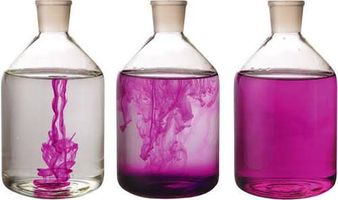
Potassium permanganate (PP) has been used in the aquarium hobby for decades as an external treatment for parasites, bacteria and fungi. It is a valuable treatment when used correctly, but it is not something to use casually. Good preparation, accurate dosing, excellent water quality and constant observation are all essential for safe treatment


The method below is simply how we use PP at Fintastic Studio. It is not the only method available, nor is it intended to replace veterinary advice. Always research thoroughly before using PP and never leave fish unattended during treatment.


*Potassium permanganate can be purchased from King's plant barn under - Wallys Potassium Permanganate.

<p>Vinegar Eel Culture Instruction</p><p>Vinegar Eel Culture Instruction</p>

Vinegar Eel Culture Instruction

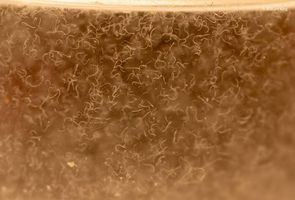
Vinegar eels are one of the easiest live foods to culture and are an excellent first food for small fish fry. They remain alive in freshwater for many hours, giving fry plenty of time to feed.

There are two different methods you can use to culture them. The traditional method is very reliable and requires minimal maintenance, while the High Density Vinegar Eel (HDVE) method produces much larger quantities but requires a little more care.

Microworm Culture InstructionMicroworm Culture Instruction
Microworm Culture Instruction

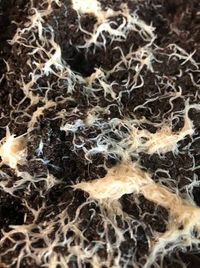
Microworms are an excellent first food for newly hatched fish fry. They are easy to culture at home and, with a little care, will provide a continuous supply of live food.

Fintastic Studio Beef Heart RecipeFintastic Studio Beef Heart Recipe
Fintastic Studio Beef Heart Recipe

Our homemade beef heart mix has been a staple food for growing discus and other carnivorous tropical fish. This recipe combines lean beef heart with quality fish foods and nutritional supplements to produce a highly palatable, protein-rich food that freezes well and is easy to portion.

Cycling Aquasoil Based Aquarium Using APT Balance – Our Trial ResultsCycling Aquasoil Based Aquarium Using APT Balance – Our Trial Results
Cycling Aquasoil Based Aquarium Using APT Balance – Our Trial Results

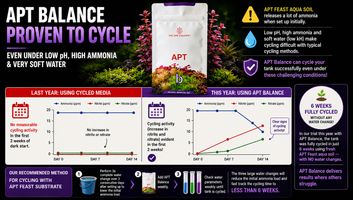
One of the characteristics of fresh APT Feast Aquasoil is that it releases a significant amount of ammonia when first submerged. In our test setup, 15 litres of APT Feast in a 125-litre aquarium produced an ammonia reading of around 20 ppm.


The combination of high ammonia, acidic water and very low carbonate hardness (kH) can make establishing the nitrogen cycle more challenging than in a typical aquarium. Beneficial nitrifying bacteria generally perform best in water with a higher pH and adequate carbonate hardness, so we wanted to see how APT Balance would perform under these conditions.

Which Dechlorinator Should You Choose? Which Dechlorinator Should You Choose?
Which Dechlorinator Should You Choose?

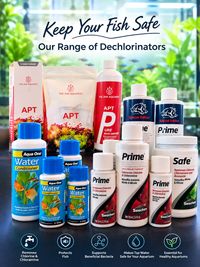
If you use tap water for your aquarium, a good dechlorinator is one of the most important products you'll ever buy. Every water change introduces chlorine or chloramine, and failing to remove them can quickly harm the beneficial bacteria in your filter as well as your fish.


One of the questions we get asked most at Fintastic Studio is:

"Which dechlorinator is the best?"


The answer is... it depends on your aquarium and your needs.