Pei-Chi & Rodney | 3 days ago

Fintastic Studio Beef Heart Recipe

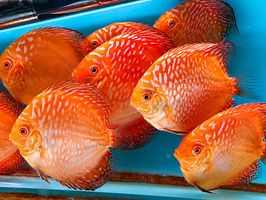
Our homemade beef heart mix has been a staple food for growing discus and other carnivorous tropical fish. This recipe combines lean beef heart with quality fish foods and nutritional supplements to produce a highly palatable, protein-rich food that freezes well and is easy to portion.

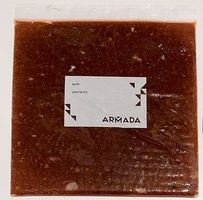
Home made beef heart recipe in sandwich zip lock bag.

Recipe

Ingredients:

*1kg lean ox heart, trimmed of all fat and sinew

*250g fish granules or pellets

*1 large handful of good quality tropical fish flakes

*2 tablespoons crushed garlic

*6 spirulina tablets, crushed into a powder

*2 tablespoons vitamin C powder

*4 × 1500mg fish oil capsules

*1 tablespoon fish meal (optional)

*1 peeled banana


Method:

1. Prepare the Beef Heart

Carefully trim all visible fat, connective tissue and sinew from the ox heart, leaving only the lean meat.


Cut into 2–3 cm cubes. If preparing ahead, divide into 1 kg portions and freeze until required.


Before making the mix, fully thaw the beef heart and drain away any excess blood. This helps produce a cleaner mixture that creates less mess in the aquarium.


2. Prepare the Pellet Mixture

Place the fish granules, fish flakes and fish oil into a large bowl.


Pour over enough boiling water to completely cover the pellets. Allow them to soak until they become soft and develop a mashed potato-like consistency. The hot water also helps dissolve the fish oil capsules.


Mix thoroughly until evenly combined.


3. Prepare the Supplement Mix

In a food processor, combine:

-Crushed spirulina tablets

-Fish meal (if using)

-Crushed garlic

-Vitamin C powder

-Banana


Blend briefly until the ingredients are evenly mixed.


4. Blend the Beef Heart

Add approximately one-third of the thawed beef heart to the food processor and blend until smooth.


Continue adding the remaining beef heart one-third at a time, allowing each batch to fully blend before adding more.


Take your time. Fully thawed beef heart blends much more easily than partially frozen meat. Large pieces or semi-frozen cubes often leave chunks that many discus will refuse to eat.


5. Combine Everything

Once the beef heart has been blended into a smooth paste, add the warm pellet mixture to the remaining beef heart paste and blend until completely combined.


6. Portion and Freeze

Spread the finished mixture into thin sheets approximately 2–3 mm thick.


Freeze until solid, then break or cut into portions as needed for feeding.

Tips for Success

*Different brands of fish pellets or granules can be used as the binding ingredient. Pre-soaking them in boiling water helps them blend smoothly and reduces floating particles.


*Around 100 g of mixture fits perfectly in a standard zip-lock sandwich bag and rolls out evenly.


*For frequent use, we prefer reusable L-shaped document pockets. They are much more durable than sandwich bags and can be washed and reused many times.


Store frozen and only remove what you need for each feeding to maintain freshness.

Let's Create Thriving Aquariums—Together

Pei-Chi & Rodney

More Posts

<p>Potassium Permanganate Baths – How We Use Them</p><p>Potassium Permanganate Baths – How We Use Them</p>

Potassium Permanganate Baths – How We Use Them

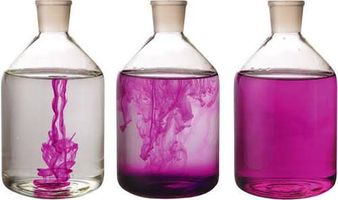
Potassium permanganate (PP) has been used in the aquarium hobby for decades as an external treatment for parasites, bacteria and fungi. It is a valuable treatment when used correctly, but it is not something to use casually. Good preparation, accurate dosing, excellent water quality and constant observation are all essential for safe treatment


The method below is simply how we use PP at Fintastic Studio. It is not the only method available, nor is it intended to replace veterinary advice. Always research thoroughly before using PP and never leave fish unattended during treatment.


*Potassium permanganate can be purchased from King's plant barn under - Wallys Potassium Permanganate.

<p>Vinegar Eel Culture Instruction</p><p>Vinegar Eel Culture Instruction</p>

Vinegar Eel Culture Instruction

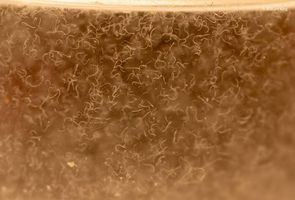
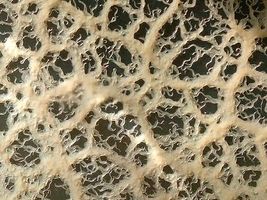
Vinegar eels are one of the easiest live foods to culture and are an excellent first food for small fish fry. They remain alive in freshwater for many hours, giving fry plenty of time to feed.

There are two different methods you can use to culture them. The traditional method is very reliable and requires minimal maintenance, while the High Density Vinegar Eel (HDVE) method produces much larger quantities but requires a little more care.

Daphnia Culture InstructionDaphnia Culture Instruction
Daphnia Culture Instruction

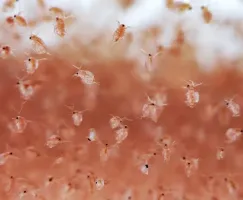
Daphnia are small freshwater crustaceans that make an excellent live food for aquarium fish. They are highly nutritious and are especially useful for conditioning breeding fish and feeding growing fry.

There are many different methods for culturing daphnia. The following is the method that has given us the most consistent results after plenty of trial and error.

Microworm Culture InstructionMicroworm Culture Instruction
Microworm Culture Instruction

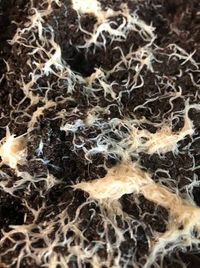
Microworms are an excellent first food for newly hatched fish fry. They are easy to culture at home and, with a little care, will provide a continuous supply of live food.

Cycling Aquasoil Based Aquarium Using APT Balance – Our Trial ResultsCycling Aquasoil Based Aquarium Using APT Balance – Our Trial Results
Cycling Aquasoil Based Aquarium Using APT Balance – Our Trial Results

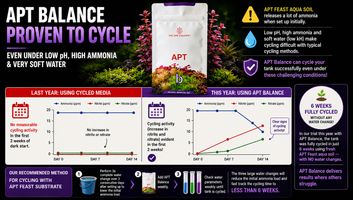
One of the characteristics of fresh APT Feast Aquasoil is that it releases a significant amount of ammonia when first submerged. In our test setup, 15 litres of APT Feast in a 125-litre aquarium produced an ammonia reading of around 20 ppm.


The combination of high ammonia, acidic water and very low carbonate hardness (kH) can make establishing the nitrogen cycle more challenging than in a typical aquarium. Beneficial nitrifying bacteria generally perform best in water with a higher pH and adequate carbonate hardness, so we wanted to see how APT Balance would perform under these conditions.

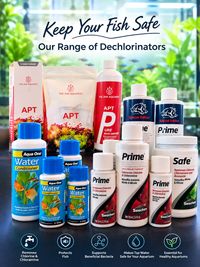
Which Dechlorinator Should You Choose? Which Dechlorinator Should You Choose?
Which Dechlorinator Should You Choose?

If you use tap water for your aquarium, a good dechlorinator is one of the most important products you'll ever buy. Every water change introduces chlorine or chloramine, and failing to remove them can quickly harm the beneficial bacteria in your filter as well as your fish.


One of the questions we get asked most at Fintastic Studio is:

"Which dechlorinator is the best?"


The answer is... it depends on your aquarium and your needs.